
A roof of their own: Adana Union of Women’s Cooperatives
How a union of women's cooperatives in Adana turned a forgotten Ottoman bathhouse, and the work of more than a thousand women, into a business with a name of its own.
In a restored bathhouse in old Adana, a few steps from the city's great clock tower, a visitor admires the shelves: jars of bitter-orange jam, hand-ground spices, linens stitched with mountain flowers. People will tell you Sultan Süleyman the Magnificent once stopped to bathe in this very hall on his way to a military campaign.
Today the steam is long gone, but the hall is anything but quiet. It smells of simmering jam, and the old marble now frames a working shopfront, women moving between the shelves to pack the day's orders. The woman at the centre of it, Zeynep Kırılmış, has a precise way of describing what stands here. "Kooperatif artık insanların ciddiye aldığı bir işletme," she says: a cooperative is now a business that people actually take seriously. Not a hobby, not a charity stall, but a registered brand built and run by women, with a name of its own.
That belief, that women's work deserves a business of its own, runs through everything made in this hall. It began with one woman's ownership and the women who built it alongside her.
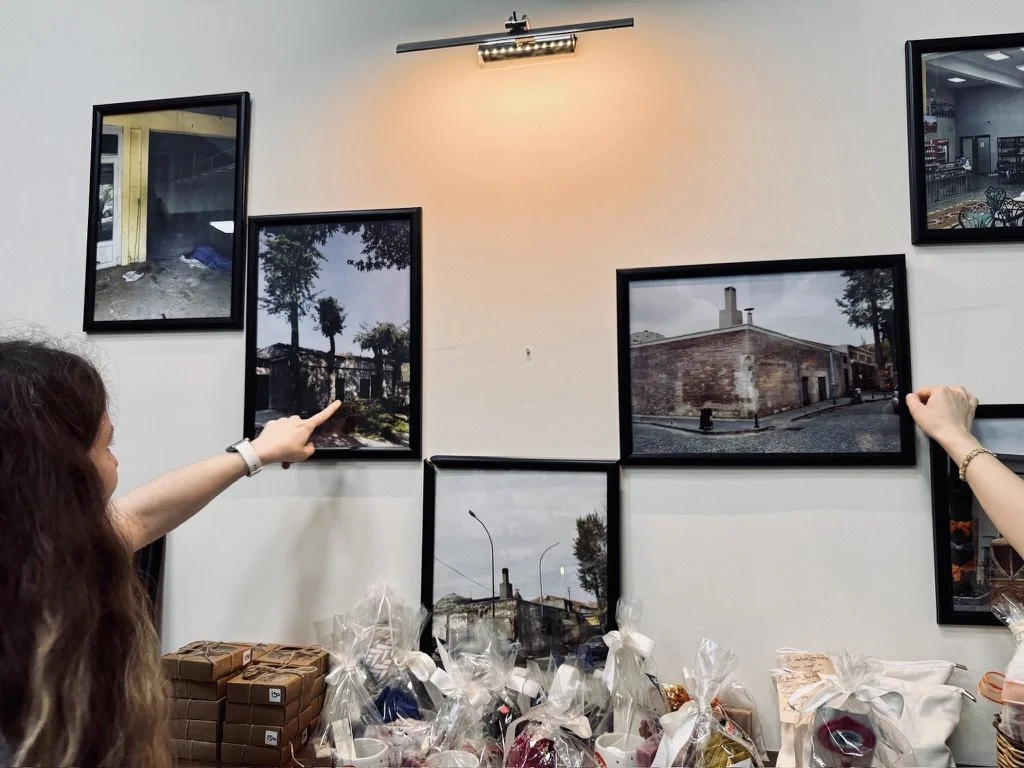
Photos of the old bathhouse before it was restored
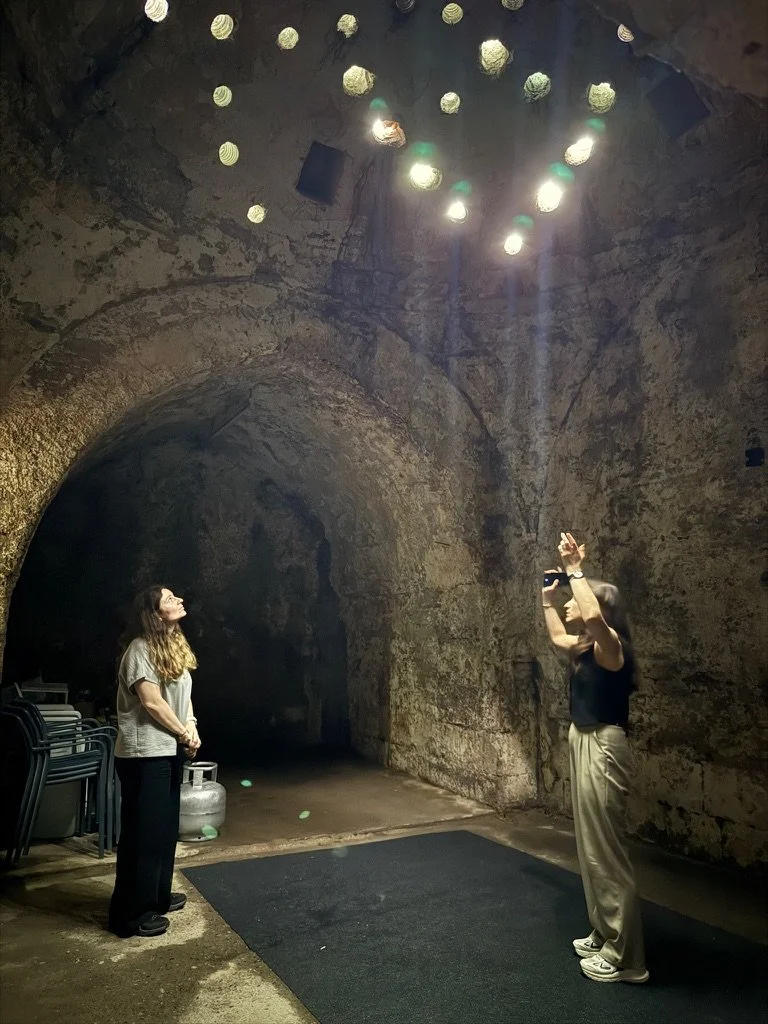
A section of the bathhouse that is not open to the public at the moment. It is located to the side of the current Union shop
A fertile plain, and the hands behind it
Adana lies on the Çukurova plain, one of Türkiye's richest growing regions: citrus groves, cotton fields, bitter orange and heirloom seed, and a food culture deep enough to define the city. Much of what the women here grow, cook and stitch has never had a place of its own: no shared brand, no real way into the market under their own name.

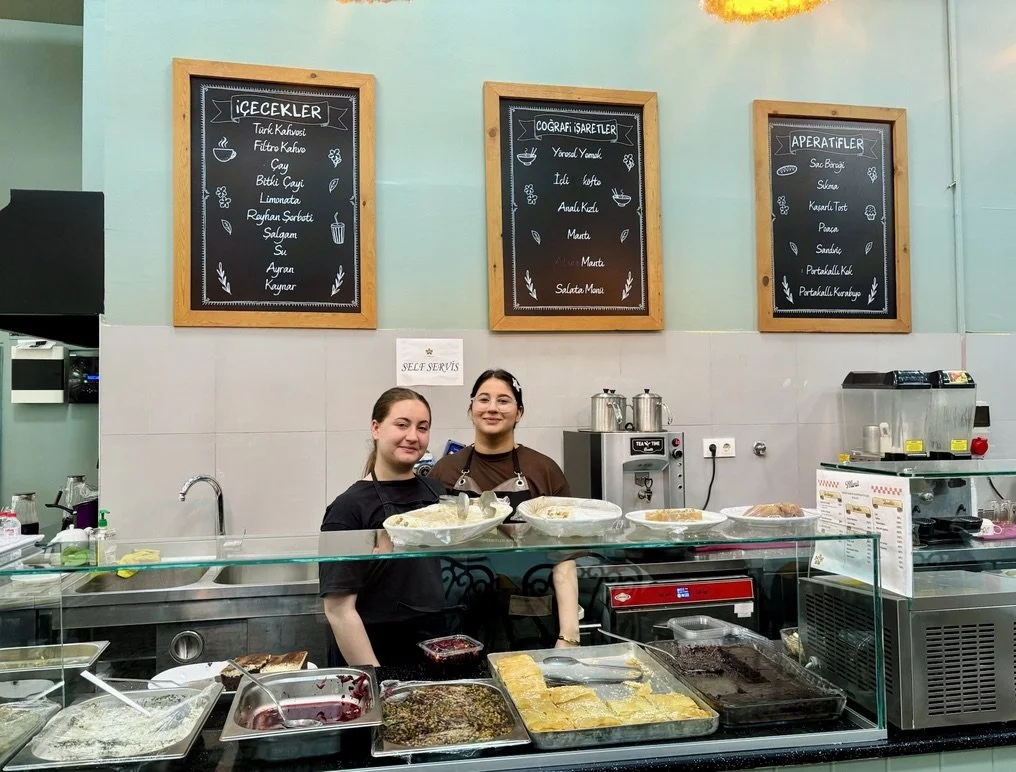
Young chefs working at the restaurant for Adana Women’s Cooperative Union
One woman, then eleven cooperatives
Zeynep spent nearly twenty years in textiles before her life took a turn. In 2019, encouraged by Adana's trade directorate, she founded her own women's cooperative. A new shopping mall offered it 40 square metres rent-free, the first arrangement of its kind in the country. When the pandemic shuttered that store in 2020, Zeynep saw that the city didn't need one more cooperative. It needed a çatı, a roof, that any woman could come in under.
The union opened in October 2021, in a bathhouse that had sat empty for years. The governor's office handed over the keys, and the women did the rest themselves: cleaning and restoring the old hall room by room. Today it brings together eleven cooperatives and around 1,400 women, all sharing one shop, one café and one kitchen.
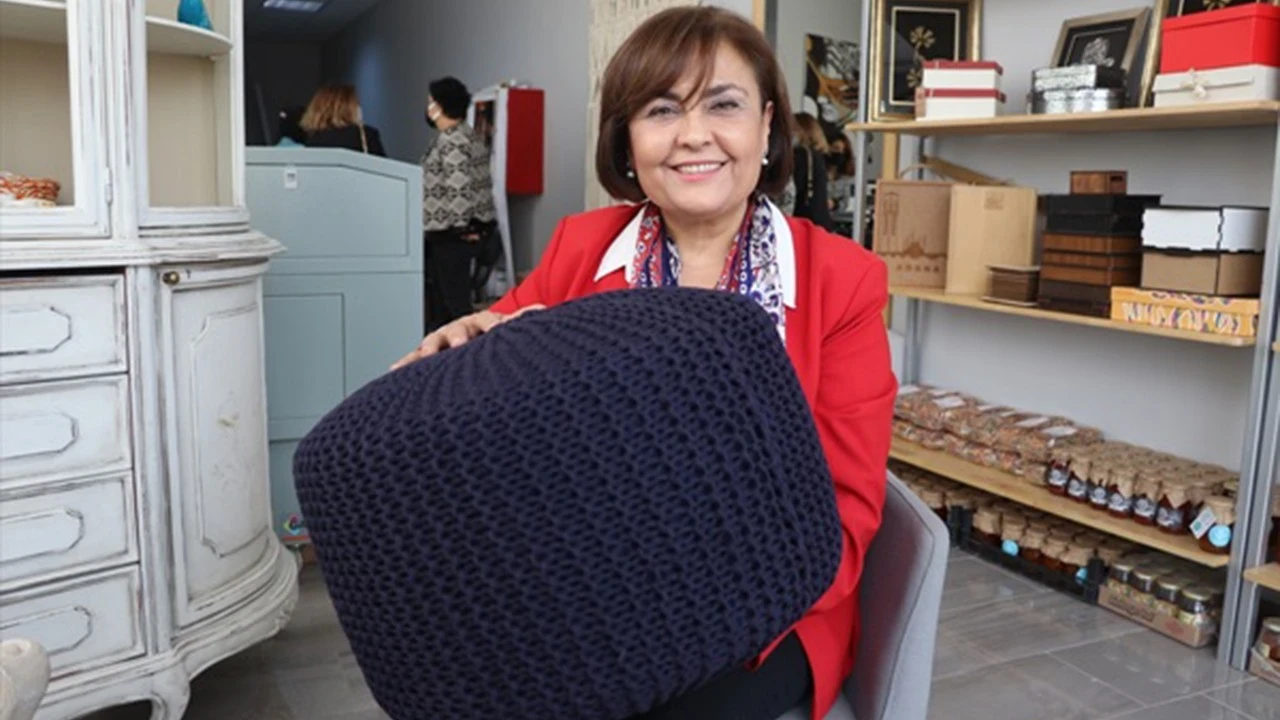
Zeynep Kırılmış, Founder and Co-Chair of the Union. Image source: Dünya
A name, and a logo that says it plainly
Everything is sold under one registered brand: ADI-ANA, a play on the city's name and the Turkish word for mother, Adı Ana, “her name is Mother,” and meant to taste of something a mother would make. The logo does the rest of the talking: three women standing arm in arm, hands on their hips, in the eli belinde (hand on their hips) pose woven into Anatolian kilims for centuries, with a tree of life rising between them. Without women, it reads, there is no life.
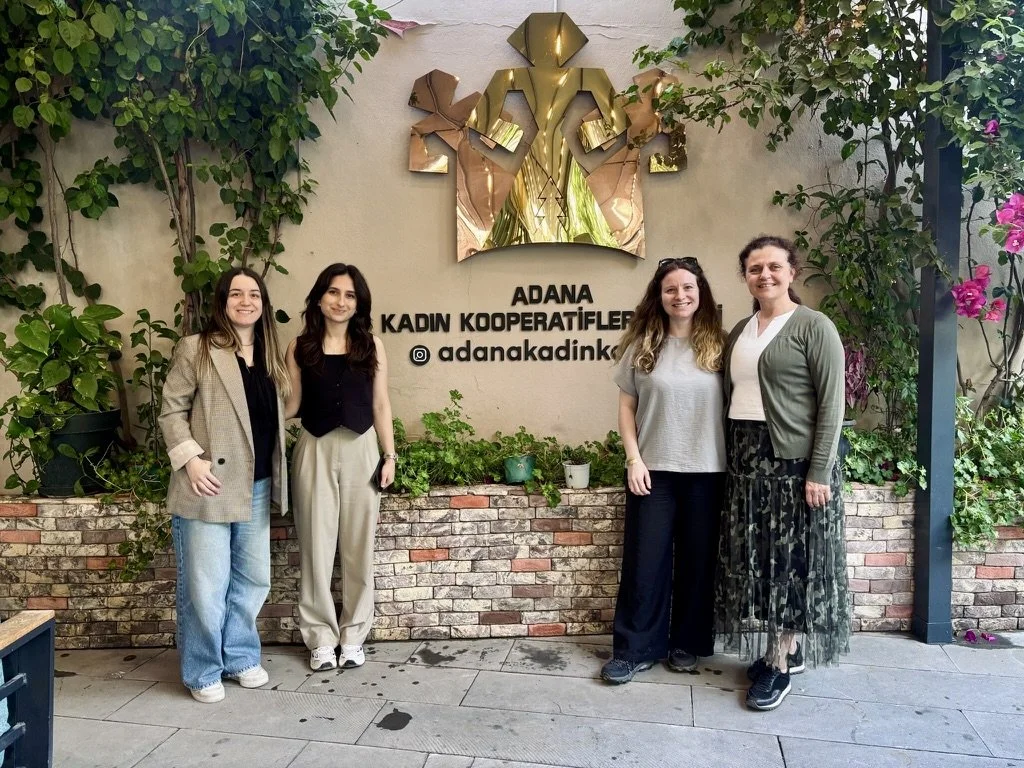
Aylin Yardımcı, Ezgi Gökçe, Melissa Clissold, Elif Çam (from left to right) outside the shop in front of the famous Union logo

Hands on their Hips (Eli Belinde) kilim motif
What eleven cooperatives make
The shelves run the length of the region. Bitter-orange jam and citrus sour (ekşisi); tomato and pepper paste; spices from heirloom seed; vinegars of hawthorn, rose and apple; pomegranate molasses, pine-cone molasses (pekmez), sea beans, hand-cut noodles (erişte), and the local beans that carry their own geographical-indication (GI) status. Then there's the handwork: linen cushions hand-embroidered with flowers from the Toros mountains, ceramics, natural soaps. Each cooperative leads its own craft, and each carries the ADI-ANA mark above its own name. In jam season alone the workshop fills with 37 women, and thirty more earn through the paste and molasses months. The jam line makes four tons a year, and could make twenty.
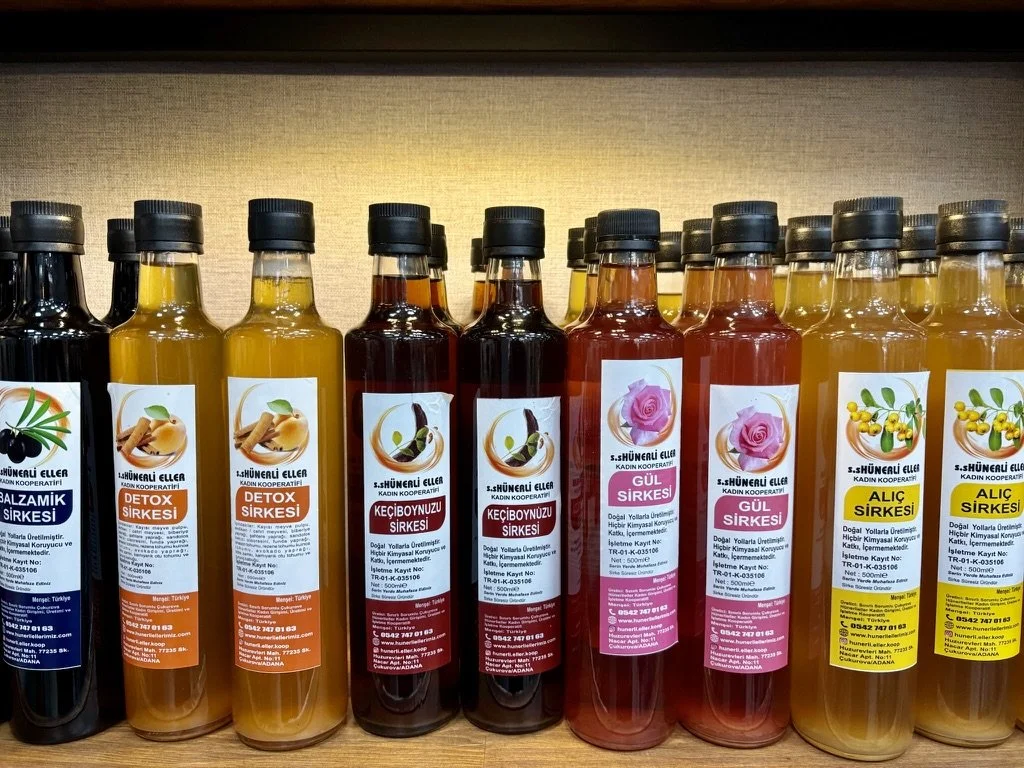
A variety of vinegars on display
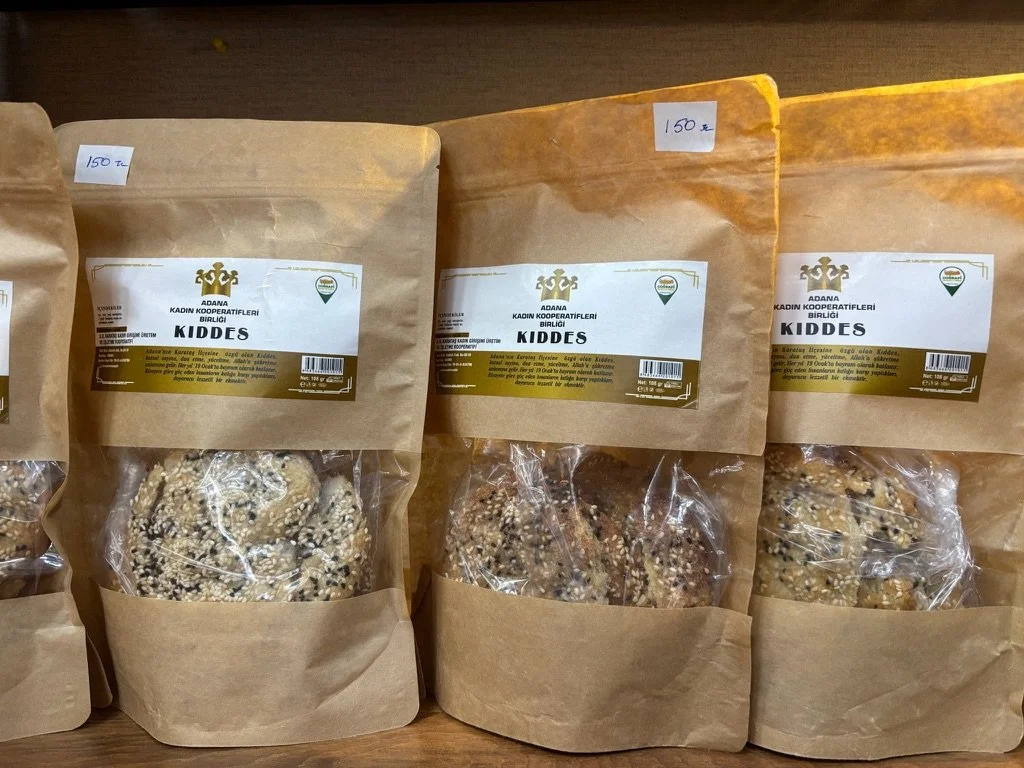
Kıddes - a specialty spiced bread
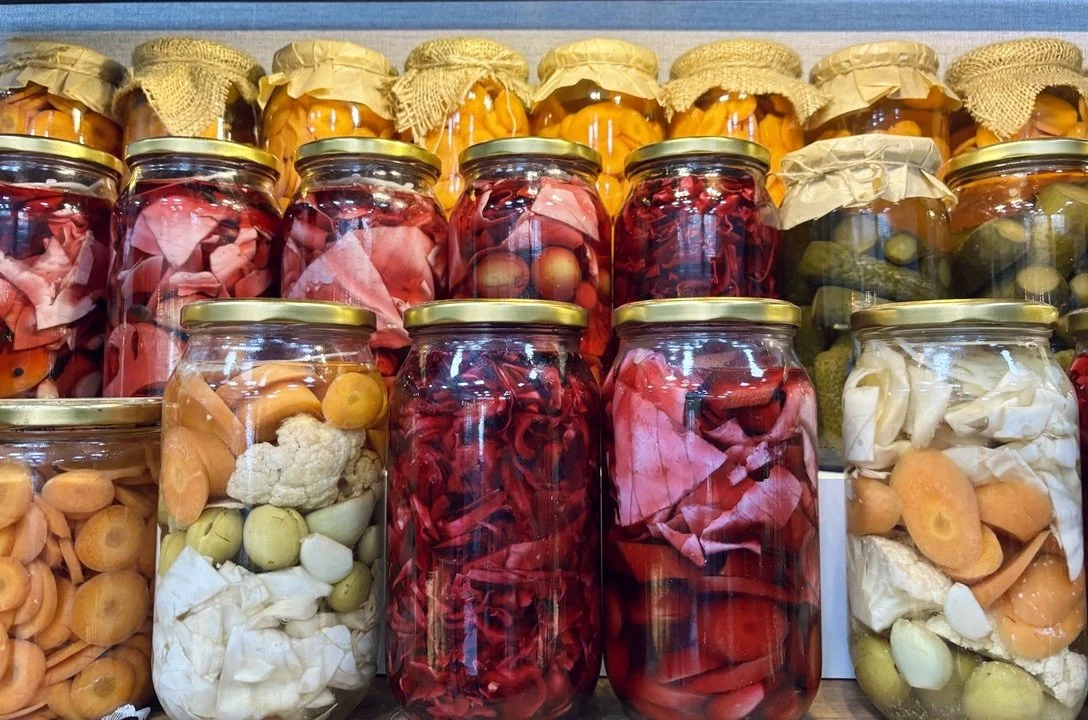
A variety of pickles on display
But the biggest change here isn't on a shelf. Zeynep keeps returning to a woman from the neighbourhood who walked in one day with nothing: three children, no money, at the lowest point of her life. She stayed, sat with the other women, listened, and slowly found her feet again. Today she holds a steady, insured job, and still comes back to visit.
"You are my light," she told Zeynep. "If I hadn't walked through that door, I don't think I'd still be here."
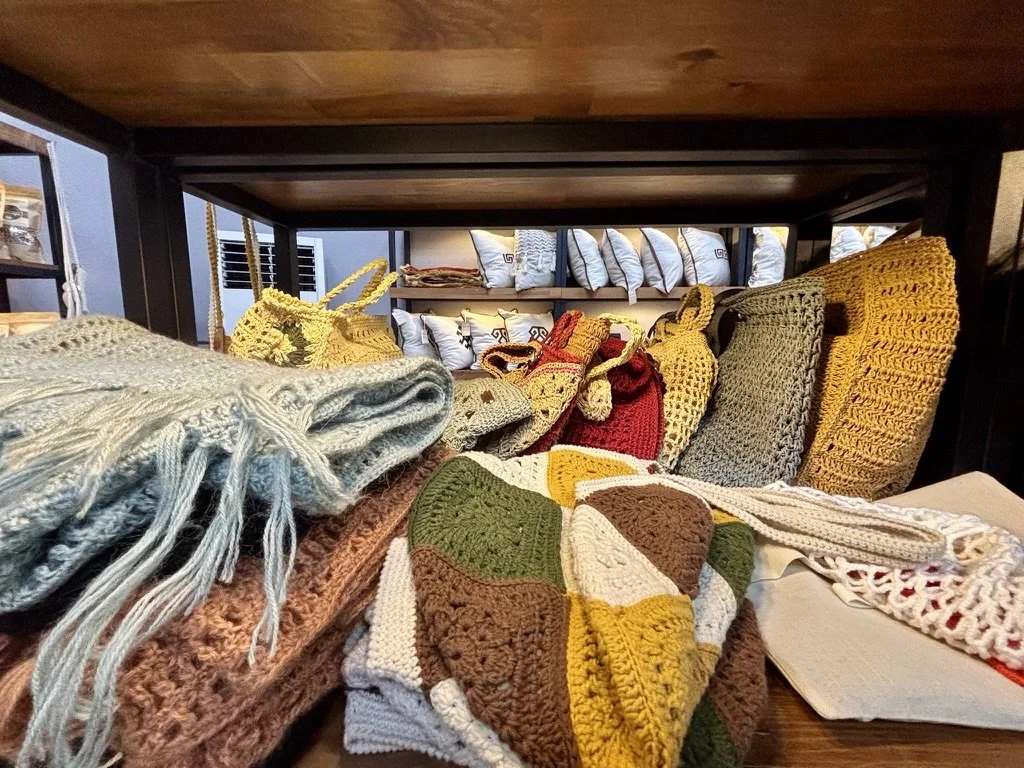
Textiles
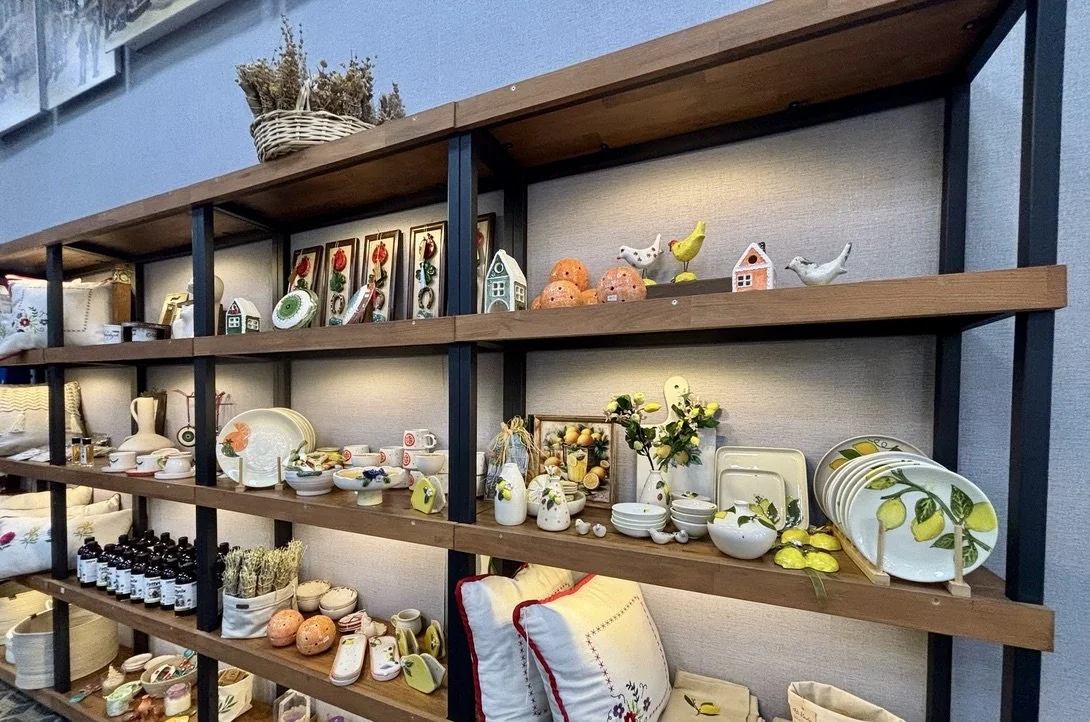
Ceramics
Where ENHANCER comes in
It was obvious from the moment we walked into their shop: the women had already built something far bigger than the space around them, and they were ready to take it further. ENHANCER came in alongside that momentum, helping with the tools to match their ambition: the computers and printers behind the office and the union's digital push, the cold storage and kitchen equipment that let the workshop scale up its jams, pastes and preserves. Can suyu, the team called it that day: it was a lifeline. Alongside the equipment came hands-on support to tell the union's story and strengthen the ADI-ANA brand.
What comes next
The shelves already reach well beyond the bathhouse. The union's jam has earned a place on Carrefour Gourmet's shelves, with spices to follow; partner stores in Ankara and Antalya carry its products; and the women are a familiar presence at festivals around the country. Still, the union keeps reaching further. A second store is about to open inside Adana's city hospital. A handful of younger members are bringing the union online and relaunching its website. And Zeynep has set her sights on export, hoping the spices and the hand-embroidered linens can find their way to the Gulf.
Back in the old bathhouse, people come and go all day: customers, members, neighbours, the smell of something cooking, the ordinary hum of a place at work. Somewhere everyone had written off now holds a whole city's worth of women's work. "When we grow," Zeynep says, already picturing it, "you'll tell this in a story."
With thanks
Our gratitude belongs to the women of the Adana Üreten Kadın Kooperatifleri Birliği, who welcomed us into the old bathhouse, their kitchen and their daily work. Above all to Zeynep Kırılmış, whose vision became the roof the others now stand under; to Meltem Kaynak of the Karataş cooperative and Leyla Eroğlu of Hünerli Eller, who walked us through the work behind their products; and to Ezgi Gökçe, a young union member who carries much of the day-to-day running of the union and is fast becoming its driving force, alongside Elif Çam and Halil İzlemek, who will take the union's voice into the years ahead.
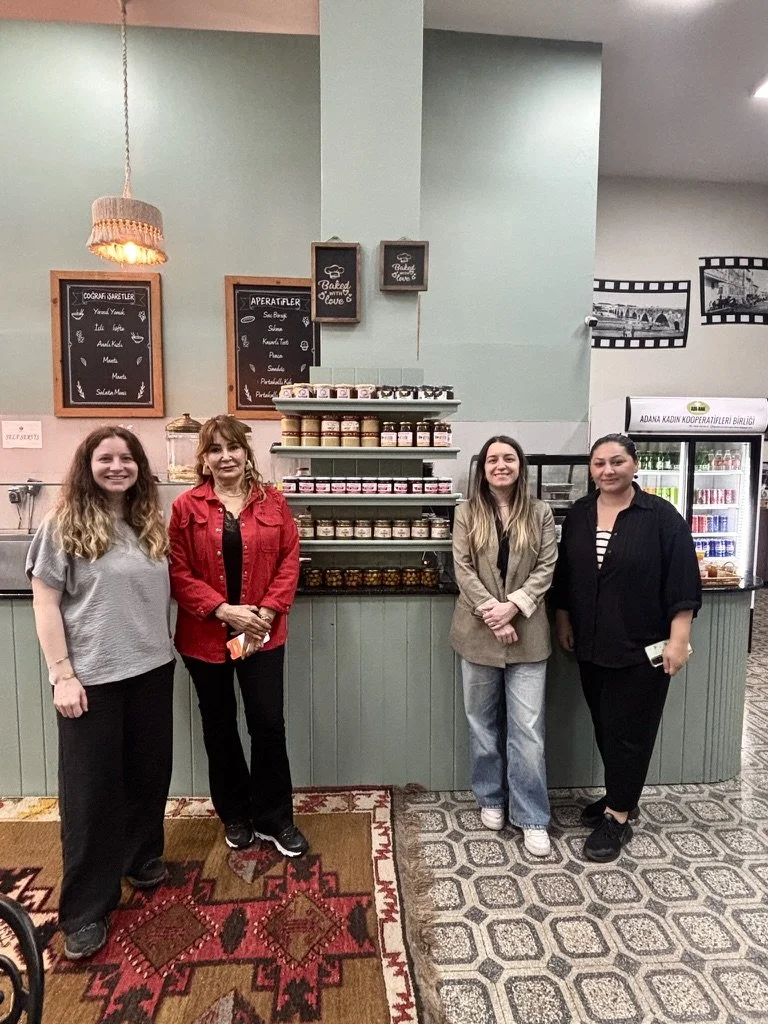
Melissa Clissold, Leyla Eroğlu (Hünerli Eller Cooperative), Aylin Yardımcı, Meltem Kaynak (Karataş Cooperative)
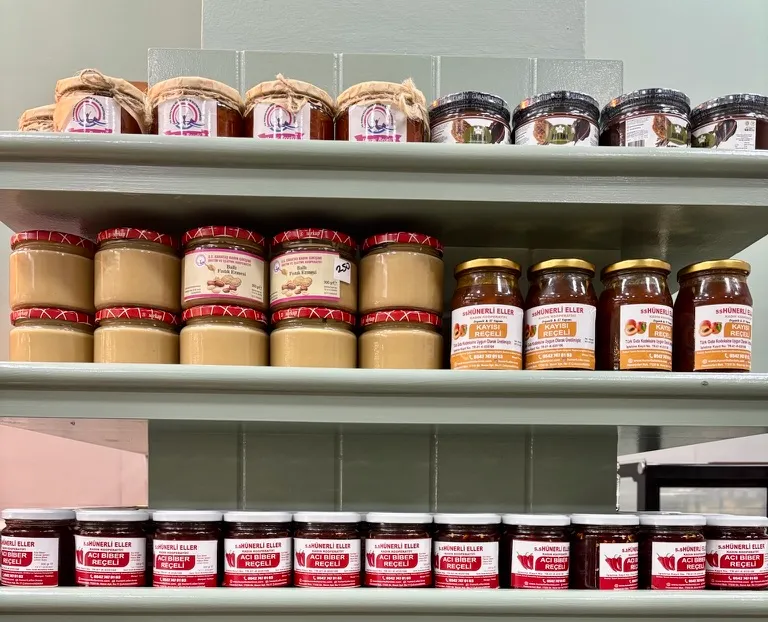
Jams, honeys, and nut spreads on display
Where to find them
You can follow the Adana Üreten Kadın Kooperatifleri Birliği and their ADI-ANA brand on Instagram and via their website
Website: https://adanakadinkoop.org/
Instagram: @adanakadinkoopbir
This story was created as part of the Enhancement of Entrepreneurship Capacities for Sustainable Socio-Economic Integration (ENHANCER) project, which is funded by the European Union and implemented by the International Centre for Migration Policy Development (ICMPD) in collaboration with the Directorate General of Development Agencies under the Ministry of Industry and Technology of the Republic of Türkiye.
